
 CER Admin
Jim Corbett National Park, nestled in the lush foothills of the Himalayas, is a haven for bird enthusiasts. With its diverse habitats ranging from dense forests to serene riverbanks, the park is home to over 600 bird species, making it one of the best birdwatching destinations in India. Whether you’re a seasoned birder or a curious traveler, this guide will take you through the rare bird species to look out for and the top spots to enjoy birdwatching in Jim Corbett.
1. Rare and Endemic Bird Species
Jim Corbett is a thriving habitat for numerous rare and endangered bird species. Some notable sightings include:
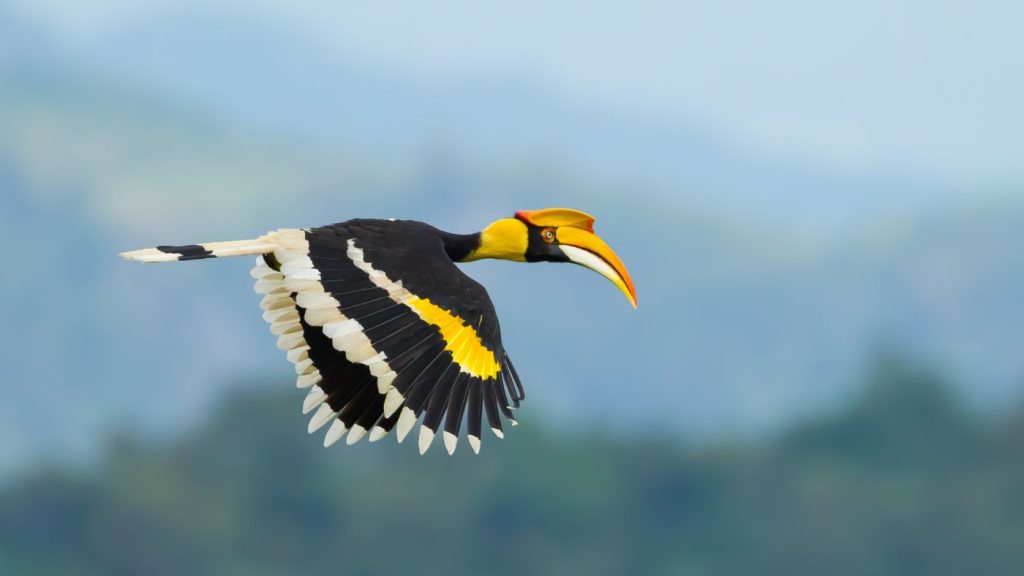
- Great Hornbill: With its striking yellow casque and impressive wingspan, this bird is a sight to behold in the dense forests of Corbett.
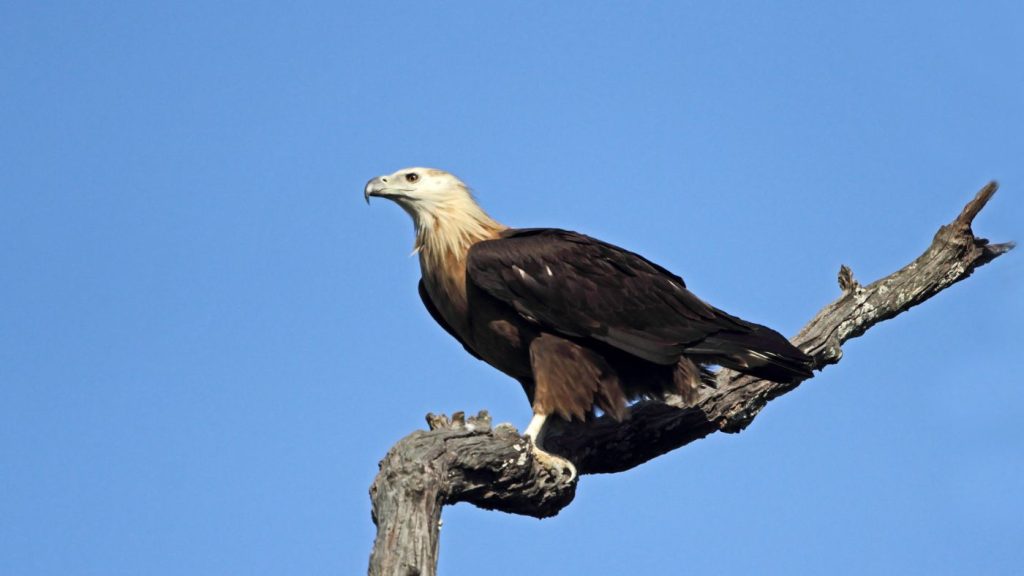
- Pallas’s Fish Eagle: Often spotted near the Ramganga River, this majestic bird is known for its powerful flight and sharp talons.
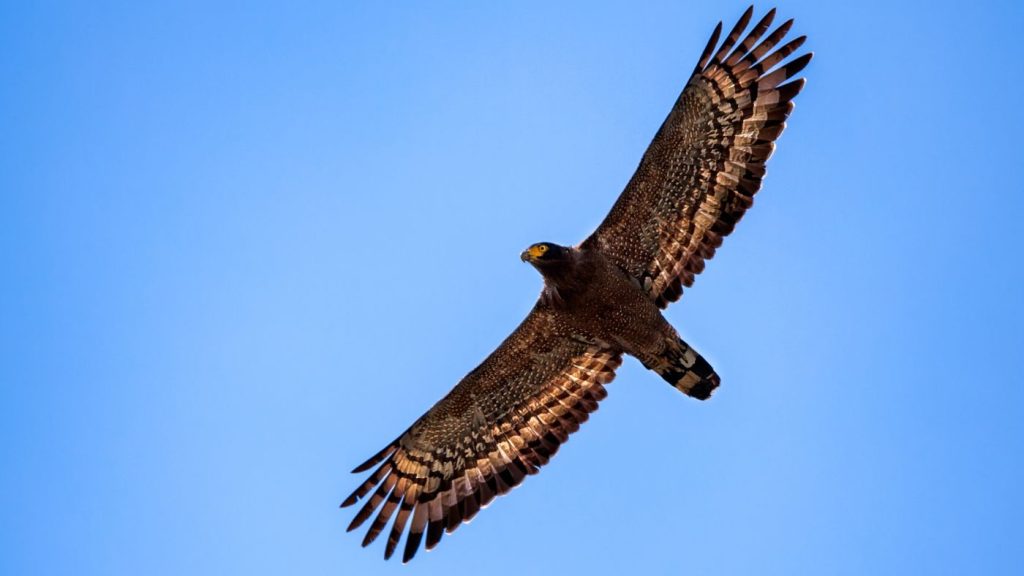
- Crested Serpent Eagle: Keep an eye out for this predator, commonly seen perched on high branches scanning for prey.
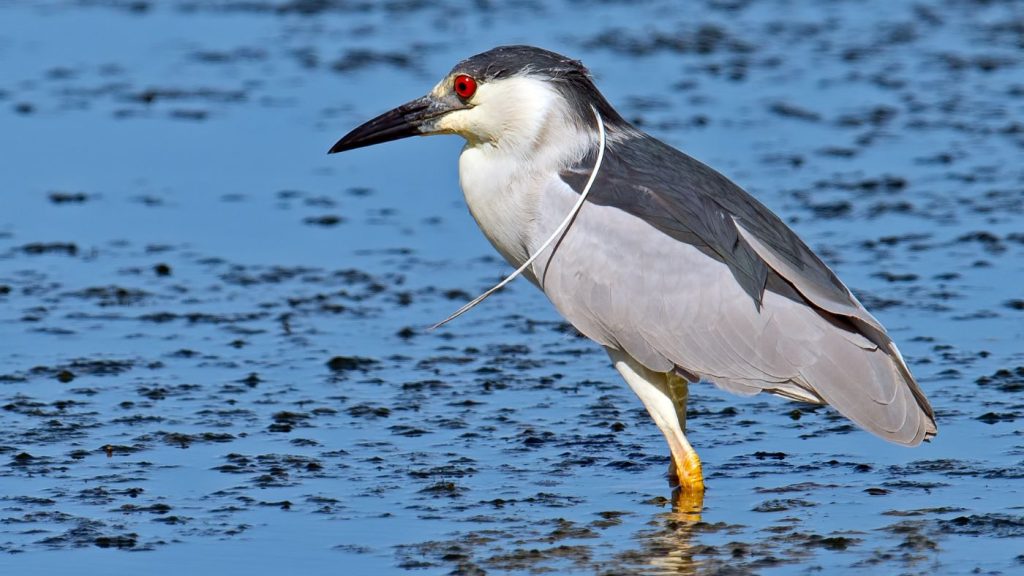
- Black-Crowned Night Heron: Found in the marshy areas and riverbanks, this bird is known for its distinctive plumage and nocturnal habits.
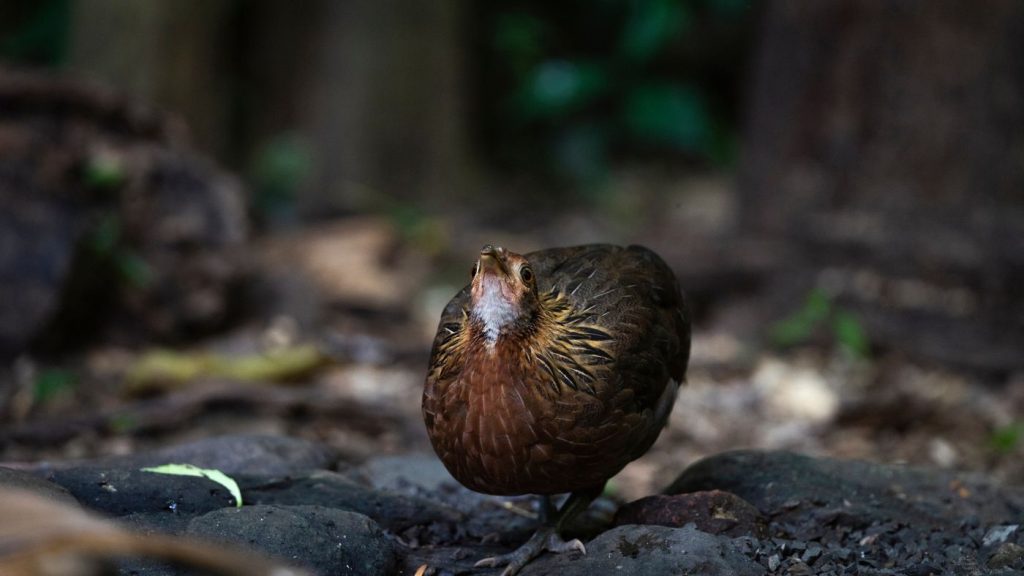
- Red Junglefowl: The ancestor of the domesticated chicken, this vibrant bird is a common sight in Corbett’s forests.
2. Best Birdwatching Spots in Jim Corbett
- Dhikala Zone: This zone offers a rich variety of birds, including raptors, waterfowl, and forest-dwelling species. The grasslands and riverbanks here are particularly rewarding for birdwatchers.
- Jhirna Zone: Ideal for spotting migratory birds, Jhirna’s open grasslands attract several species, especially during the winter months.
- Bijrani Zone: Dense forests and grasslands make Bijrani a hotspot for birdwatching, offering sightings of woodpeckers, owls, and parakeets.
- Sitabani Forest Reserve: While not part of the core park area, Sitabani is an excellent spot for birdwatching, especially for sightings of vultures, eagles, and hornbills.
- Kosi River Banks: The riverbanks are perfect for spotting waterfowl, kingfishers, and waders, especially during the early mornings.
3. Best Time for Birdwatching in Jim Corbett
- Winter (November to February): Ideal for migratory birds, as several species from Siberia and Central Asia visit Corbett.
- Spring (March to April): Excellent for spotting resident birds in their vibrant breeding plumage.
- Monsoon (July to September): Though the park remains closed, buffer zones like Sitabani and Kosi River still offer good birdwatching opportunities.
4. Essential Birdwatching Tips
- Carry a good pair of binoculars and a field guide for bird identification.
- Maintain silence to avoid disturbing the birds.
- Visit during the early morning or late afternoon for optimal sightings.
- Avoid wearing bright colors that may startle the birds.
Conclusion:
Jim Corbett National Park is more than just a wildlife destination; it’s a birdwatcher’s paradise waiting to be explored. With its rich avian diversity and picturesque landscapes, a birdwatching expedition in Corbett promises to be a rewarding experience for both novice and seasoned birders. So, pack your binoculars, grab your camera, and get ready to explore the avian wonders of Jim Corbett.